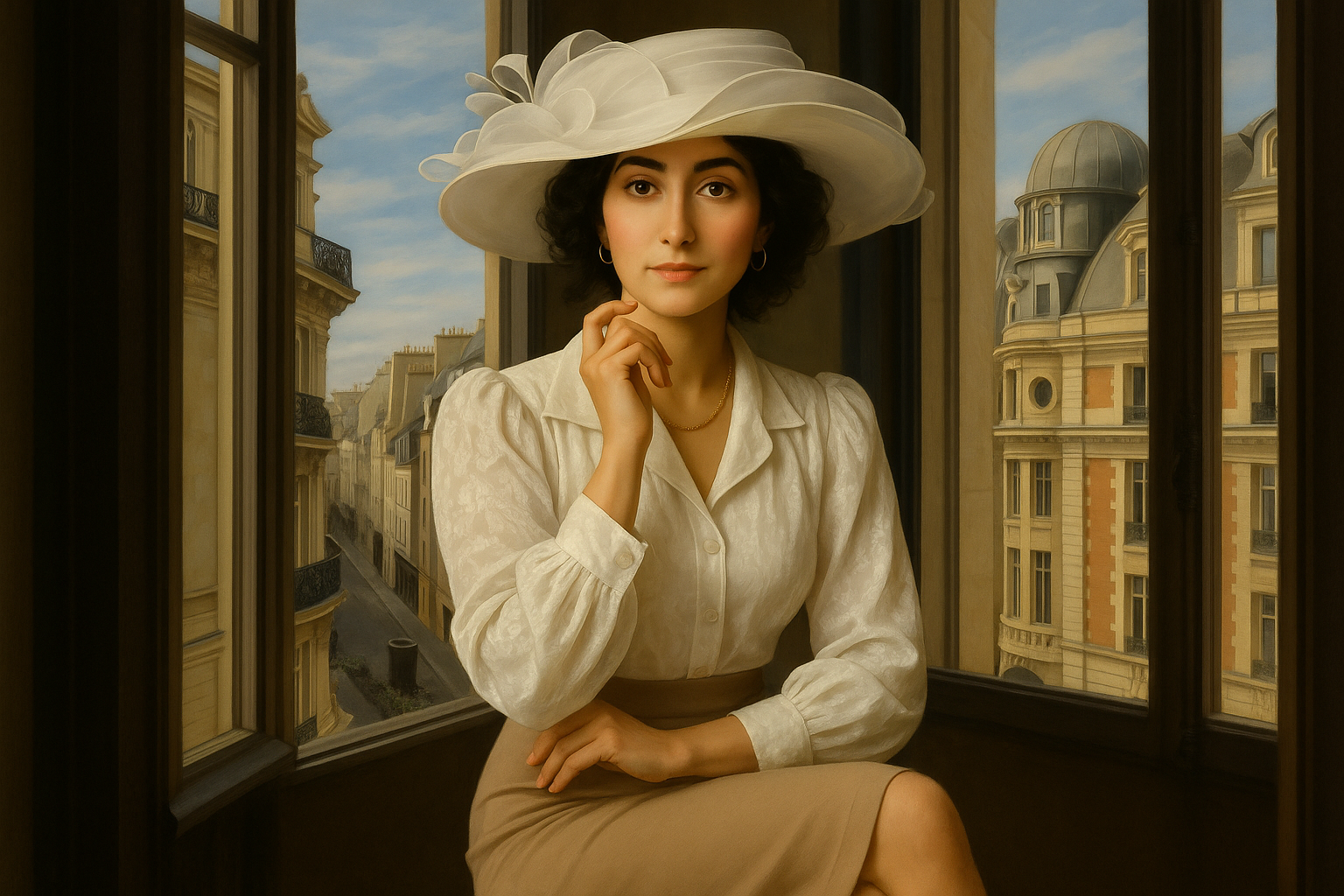
The Story of Madame Lenormand

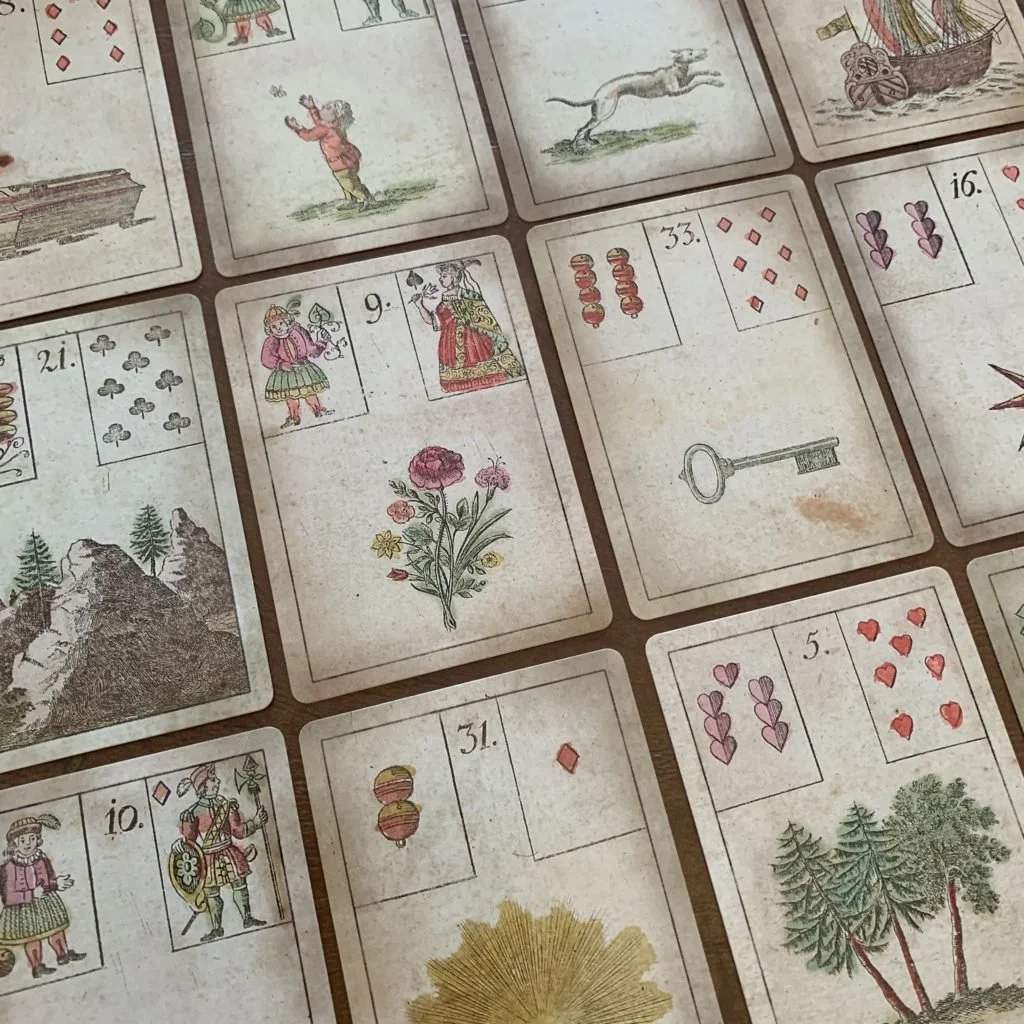
The Lenormand cards emerged posthumously, around 1800, and were dedicated to Marie Anne Adélaïde Lenormand (1772–1843), known as Mlle. Lenormand. Living during the Napoleonic era, she was renowned for her remarkable psychic abilities, which she expressed through a unique system of card reading, coffee divination, and other intuitive arts—all tailored to the needs of each client.
Madame Lenormand was far more than a fortune teller. She became a cultural icon whose legacy profoundly shaped the worlds of intuition, symbolism, and spiritual communication. Her influence still endures today, continuing to define how Lenormand cards are interpreted and practiced around the world.
A legacy that shaped the language of the cards
The beginning of her path
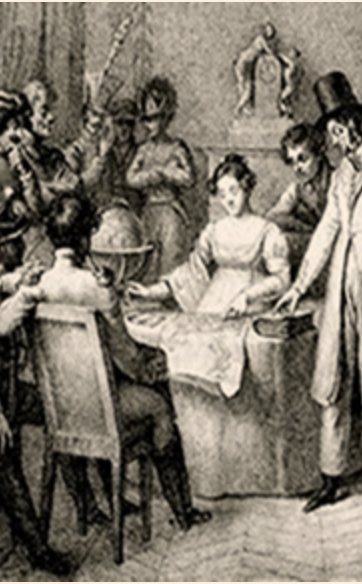
At eighteen, Marie Anne Lenormand began her career in France as a private teacher, though this period was brief, her true passion lay in the art of fortune telling.
Before long, she met Louise Françoise Gilbert, an experienced card reader, and her assistant Flammermont. The three formed a partnership: Madame Gilbert handled card readings, Mlle Lenormand focused on horoscope interpretation and palmistry, and Flammermont oversaw publicity and client appointments.
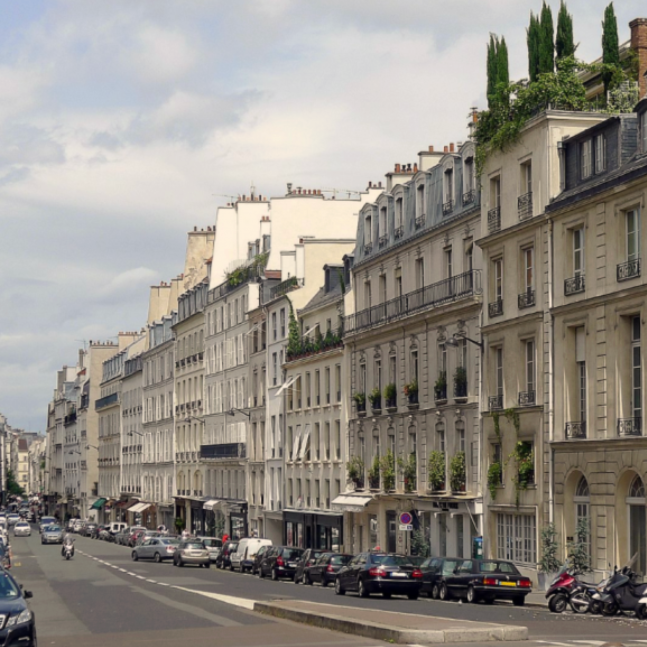
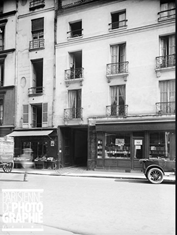
They opened a consulting room on Rue de Tournon, marked by a sign that read Library. Through careful observation of Madame Gilbert, Mlle Lenormand mastered the skill of interpreting card spreads. However, their collaboration was short-lived. A rift soon developed between the two women, after which Flammermont chose to work exclusively with Mlle Lenormand, ushering in a period of great success.
Fame during turbulent times
Madame Lenormand led an extraordinary life marked by perseverance and courage. In the face of personal challenges and social opposition, she remained unwavering—resilient, daring, and guided by a humungous level of confidence. Her inner strength and remarkable abilities continue to command respect and inspire generations.
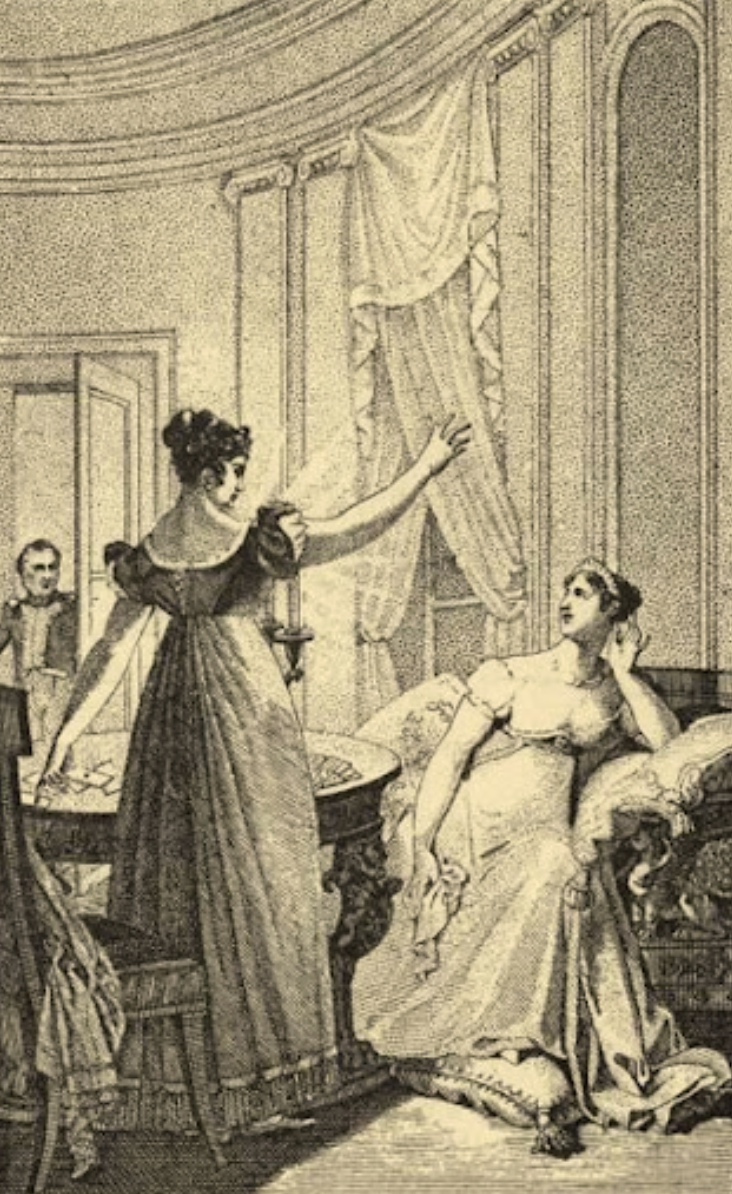
Working from a modest back room in her library in Le Marais, she offered consultations grounded in clairvoyance and card reading. Her clientele spanned all walks of life, from everyday citizens to figures of power and prestige, including Napoleon, his wife Joséphine, and many other notable personalities of her time.
A woman of strength and vision
The French Revolution casts the nation into turmoil—an age marked by fear, uncertainty, and constant upheaval. As arrests grew frequent and lives were upended, people increasingly turned to the mystical for answers, seeking glimpses of the future to bring them comfort and control.
Madame Lenormand stood out not only for her exceptional skill but also for her talent in cultivating an air of mystery. Visitors would wait in a quiet antechamber before being ceremoniously led into her private consultation room by Flammermont.
Clients determined their own fee, paying anywhere between six and eighty French francs. Each session began with Madame Lenormand studying the client’s palms and asking personal questions—about age, favorite flower, or innermost fear. She would then draw cards with her left hand from a deck of her own design and consult astrological systems with remarkable depth. Once she began to speak, her words flowed continuously—quick, precise, and seemingly inspired—rarely pausing to meet the client’s gaze.
No two consultations were alike. Madame Lenormand’s methods were vast and inventive: reading coffee grounds, interpreting the shapes of egg whites floating on water, using a letter board guided by a grain-pecking chicken, summoning spirits, casting birth charts, or gazing into candle flames. Ever the innovator, she merged ancient traditions with new discoveries, constantly expanding her knowledge.
Her boundless curiosity and originality made her a living encyclopedia of intuitive arts—a pioneer in what might now be called the quantum psychic realm. Her sessions were not just readings but immersive experiences—profound, unpredictable, and unforgettable—securing her a place far ahead of her contemporaries.
Power, provocation and persecution
In her autobiographical writings, Madame Lenormand proudly recounted her distinguished clientele, which she claimed included Napoleon and Joséphine. Although no official record confirms a personal meeting with Napoleon, police documents indicate that she was questioned concerning her association with Joséphine.
Among those who sought her counsel were Robespierre, Danton, and Marat—central figures of the French Revolution. Their coarse behavior during their visit offended her deeply, and in return, she predicted their violent deaths within the year. The prophecy unsettled them, and in retaliation, they soon had her arrested.
Yet Madame Lenormand’s renown was so great that the authorities dared not convict her. Instead, she was placed under close surveillance, with an agent assigned to report her daily activities. Over the years, she was imprisoned several times but always released after brief detentions. Through it all, her defiance never wavered—she refused to yield to interrogation, steadfast in her belief in her own freedom and untouchable autonomy.
Each time she regained her liberty, her practice flourished anew. Her consultation room filled quickly, and she resumed her bustling schedule—working from morning to evening, dining in refined restaurants among the elite, and attending the theatre. Prosperous and independent, she invested her fortune in homes and vineyards, remaining a striking figure in Parisian society. Throughout her life, she cared deeply for her brother and sister, maintaining close ties and supporting them financially.
An enduring inspiration
Madame Lenormand left behind more than myths and memories—she forged a symbolic language that still offers clarity, reflection, and guidance. Her courage, intuition, and unwavering authenticity created a legacy that endures through the Lenormand cards and through all who continue to read, study, and find meaning in them today.